add_location

Filters


HDPE Plastic Raw Material Suppliers and Manufacturers

PLASTIC CORRUGATED PIPE PRODUCTION LINE HDPE Resin Pipe    Plastic4trade

$ 10000

PLASTIC CORRUGATED PIPE PRODUCTION LINE

HDPE | Pipe

ๅฑฑไธœ็œ, ไธญๅ›ฝ

HD HDPE Grinding Blow gandhidham gujarat india Plastic4trade

โ‚น 68

HD

HDPE | Blow

Gujarat, India

HDPE  GRANDING HDPE Grinding Roto Molding kandla gujarat india Plastic4trade

โ‚น 62

HDPE GRANDING

HDPE | Roto Molding

Gujarat, India

HDPE GRANULES HDPE Reprocess Granule Blow Injection Molding Film Grade dadra dadra and nagar haveli and daman and diu india Plastic4trade

โ‚น 88

HDPE GRANULES

HDPE | Blow, Injection Molding, Film Grade

Dadra and Nagar Haveli and Daman and Diu, India

HDPE REPROCESS GRANULES HDPE Reprocess Granule Injection Molding Film Grade dadra dadra and nagar haveli and daman and diu india Plastic4trade

โ‚น 88

HDPE REPROCESS GRANULES

HDPE | Injection Molding, Film Grade

Dadra and Nagar Haveli and Daman and Diu, India

HDPE HDPE Reprocess Granule Blow Injection Molding nagpur maharashtra india Plastic4trade

โ‚น 90

HDPE

HDPE | Blow, Injection Molding

Maharashtra, India

HDPE NATURAL GRINDING HDPE Grinding Blow Injection Molding new delhi delhi india Plastic4trade

โ‚น 65

HDPE NATURAL GRINDING

HDPE | Blow, Injection Molding

Delhi, India

HDPE CRATE SCRAP HDPE Scrap Mix Scrap halol gujarat india Plastic4trade

โ‚น 47

HDPE CRATE SCRAP

HDPE | Mix Scrap

Gujarat, India

HDPE Plastic Raw Material Buyers and Importers

HDPE  GRANDING HDPE Grinding Blow Extrusion kolaghat west bengal india Plastic4trade

โ‚น 65

HDPE GRANDING

HDPE | Blow, Extrusion

West Bengal, India

GARBAGE BAGS HDPE Rolls Film Grade surat gujarat india Plastic4trade

โ‚น 13

GARBAGE BAGS

HDPE | Film Grade

Gujarat, India

HD SCRAP HDPE Scrap Injection Molding hyderabad telangana india Plastic4trade

โ‚น 40000

HD SCRAP

HDPE | Injection Molding

Telangana, India

HDPE  GRANDING HDPE Grinding Blow Extrusion halol gujarat india Plastic4trade

โ‚น 35

HDPE GRANDING

HDPE | Blow, Extrusion

Gujarat, India

HDPE GRANDING HDPE Grinding Blow Extrusion halol gujarat india Plastic4trade

โ‚น 40

HDPE GRANDING

HDPE | Blow, Extrusion

Gujarat, India

HDPE  GRANDING HDPE Grinding Blow Extrusion kolkata west bengal india Plastic4trade

โ‚น 40

HDPE GRANDING

HDPE | Blow, Extrusion

West Bengal, India

HDPE GRANDING HDPE Grinding Blow Extrusion mangaluru karnataka india Plastic4trade

โ‚น 70

HDPE GRANDING

HDPE | Blow, Extrusion

Karnataka, India

HDPE GRANDING HDPE Grinding Blow vapi gujarat india Plastic4trade

โ‚น 60

HDPE GRANDING

HDPE | Blow

Gujarat, India

All About HDPE (High-Density Polyethylene): Types, Uses, Manufacturing, Market, Recycling, Facts and Information


1. What is HDPE Plastic? | Full Form and Definition


The full form of HDPE is High-Density Polyethylene, a widely used thermoplastic polymer made from ethylene monomers. The Definition of HDPE is a type of plastic that is strong, not too heavy, and can withstand impacts well. Because of these qualities, it is often used for making packaging, pipes, building materials, things used in farming, and many other industrial products.


Highlights:


  • Excellent chemical and UV resistance
  • Tough, durable, and flexible
  • Recyclable and cost-effective


2. HDPE Category, Types, and Grades


Categories:


  • Virgin HDPE is the pure version, used in important uses such as packaging for food and in pipes. 
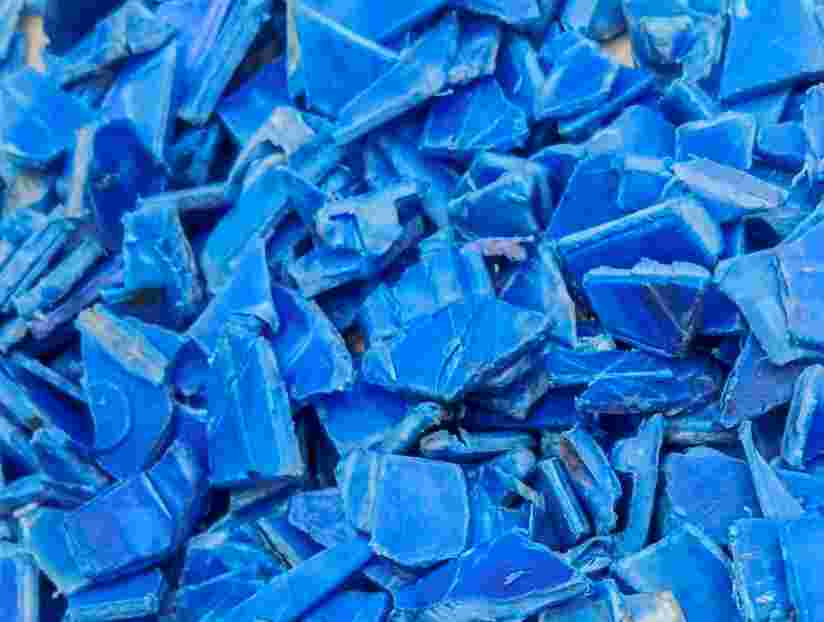
  • Recycled HDPE is made from old materials that people and factories have used before; it's used for things like pipes and storage bins that don't need to be as strong or clean.


Types of HDPE:


  • Blow Molding Grade: For bottles, containers.
  • Injection Molding Grade: For crates, pallets, and lids.
  • Film Grade: For plastic bags and liners.
  • Pipe Grade: For water and gas pipes.
  • Sheet Grade: For industrial sheets and geomembranes.


Grades:


  • PE63, PE80, PE100 (mainly used in the piping industry)
  • FDA Approved Grades for food contact applications


3. HDPE Uses, Applications, and Products


The Uses of HDPE Plastic in:


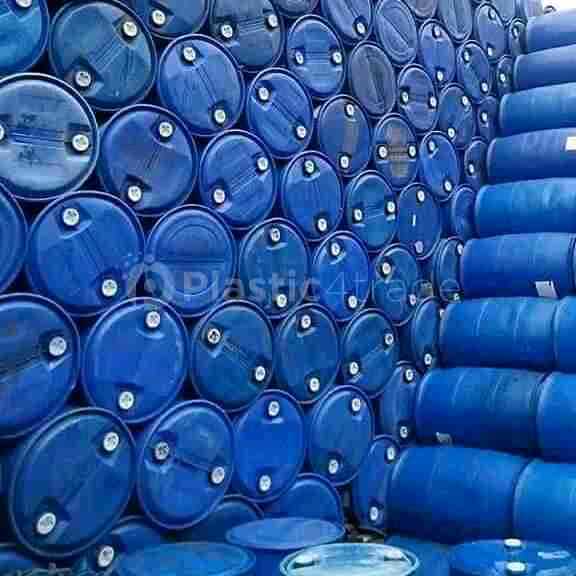
  • Packaging: Milk bottles, detergent bottles, chemical drums
  • Piping Systems: Water, gas, sewage pipes
  • Agriculture: Drip irrigation tubes, greenhouse covers
  • Construction: Plastic lumber, panels, geomembranes
  • Consumer Goods: Toys, containers, bins, furniture
  • Healthcare: Medical trays, prosthetics, tubing
  • Automotive: Fuel tanks, corrosion-resistant vehicle parts


4. How is HDPE Plastic Manufactured or Made | Processing Steps


HDPE Production Process:


Polymerization of Ethylene: Using catalysts like Ziegler-Natta or chromium-based.

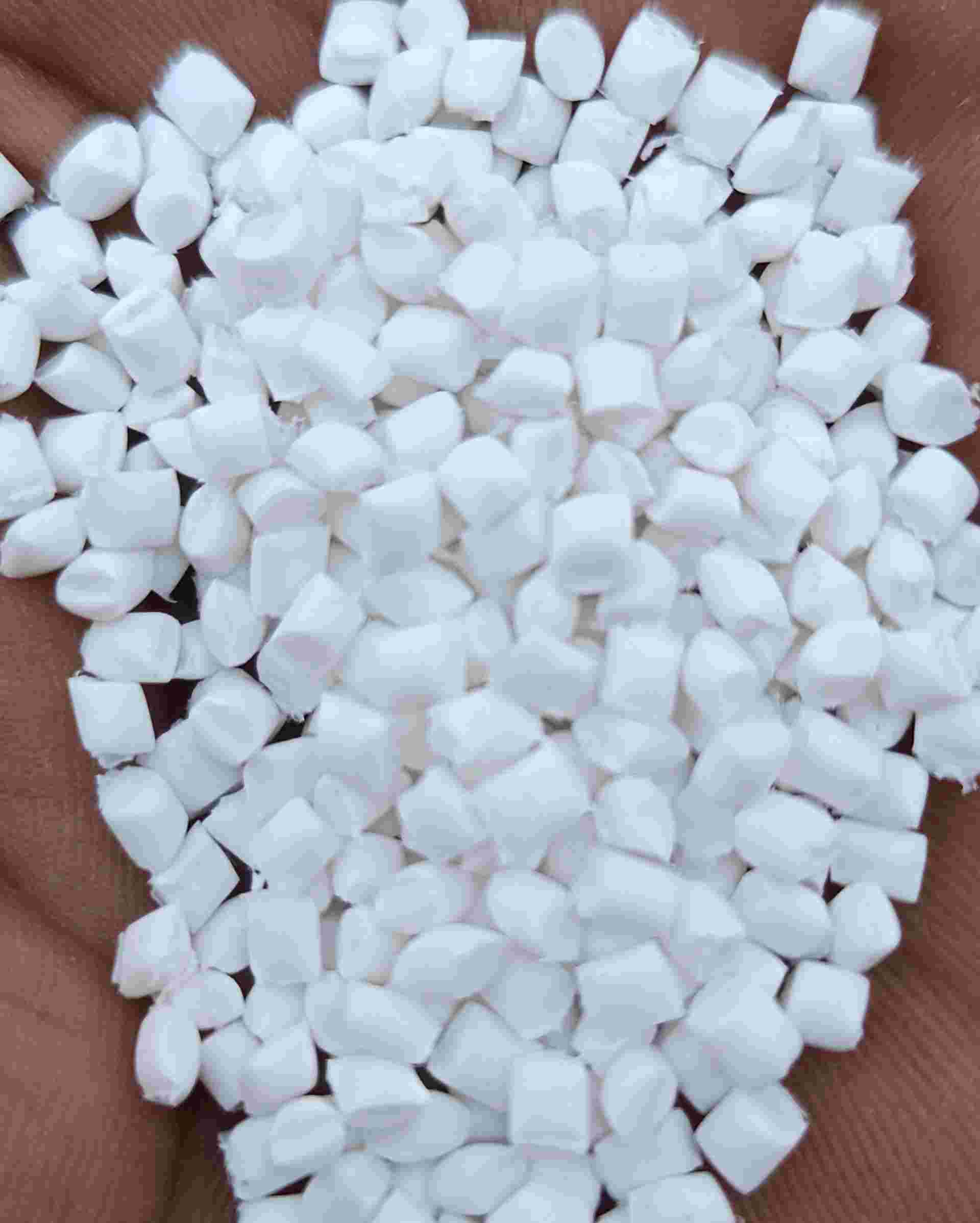
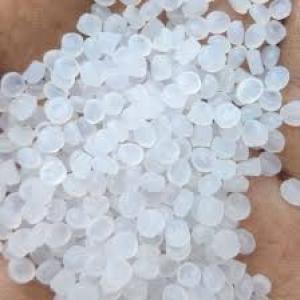
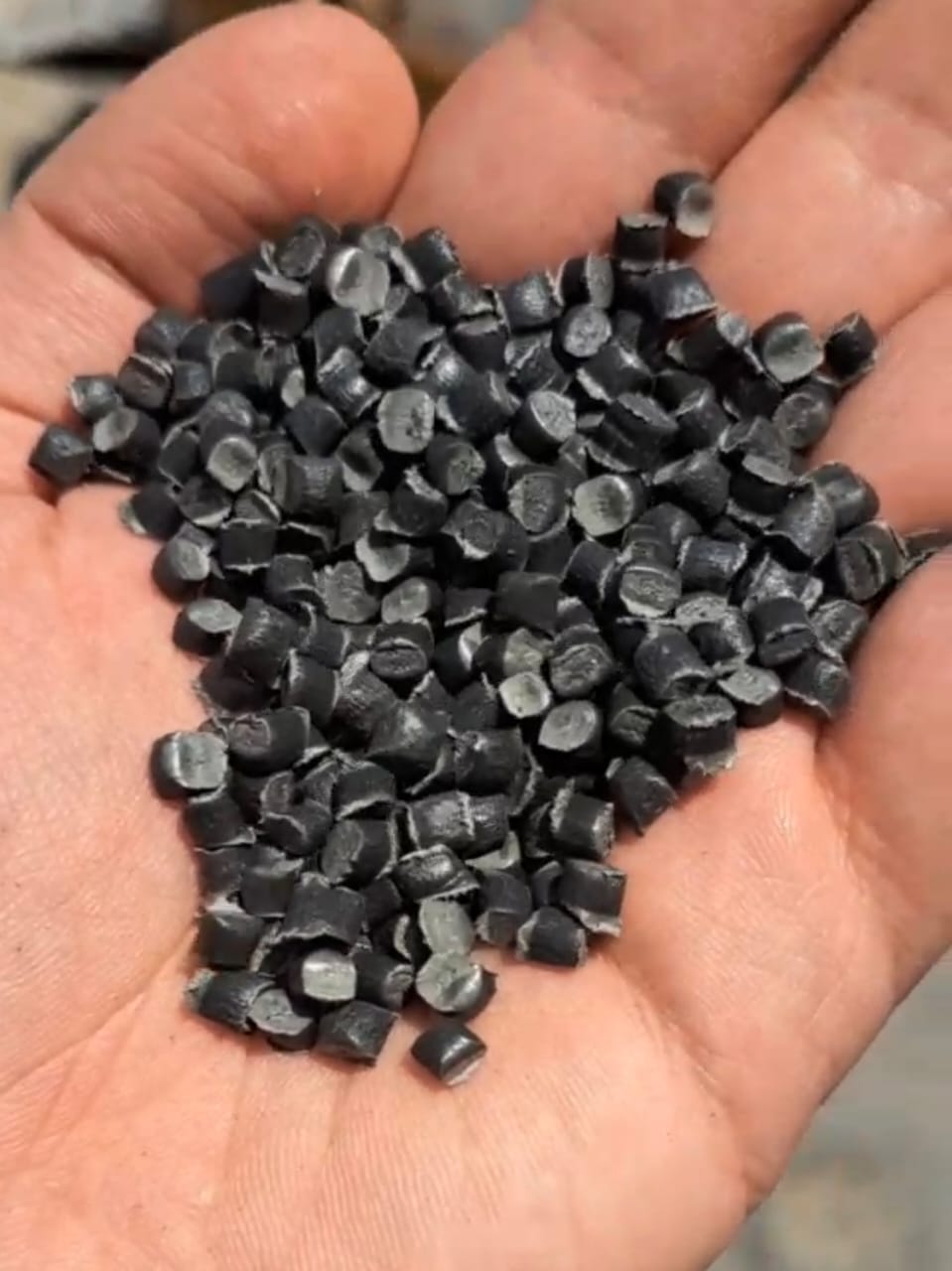
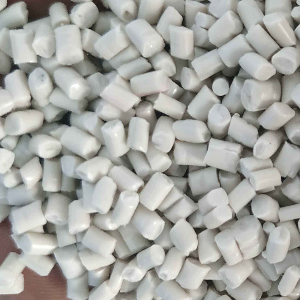
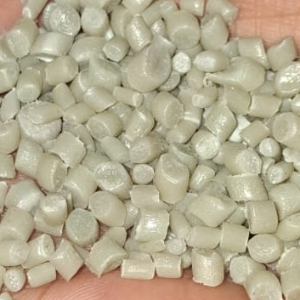
Pelletization: The polymer is then cooled and shaped into small pellets.


Product Manufacturing:


Blow Molding (for bottles)
Injection Molding (for crates)
Extrusion (for pipes and films)
Rotational Molding (for tanks and bins)


5. List of HDPE-Made Goods and Finished Products


Product

Application

HDPE Pipes

Water, gas, sewage systems

HDPE Bottles

Milk, juice, chemicals

HDPE Sheets

Construction barriers, marine applications

HDPE Films

Grocery bags, liners

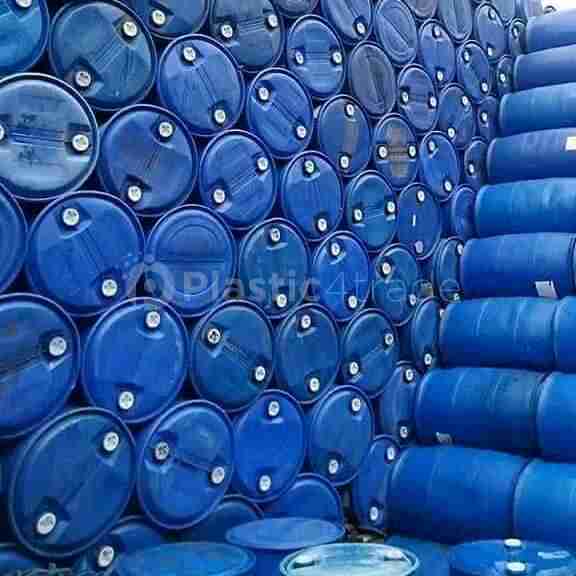
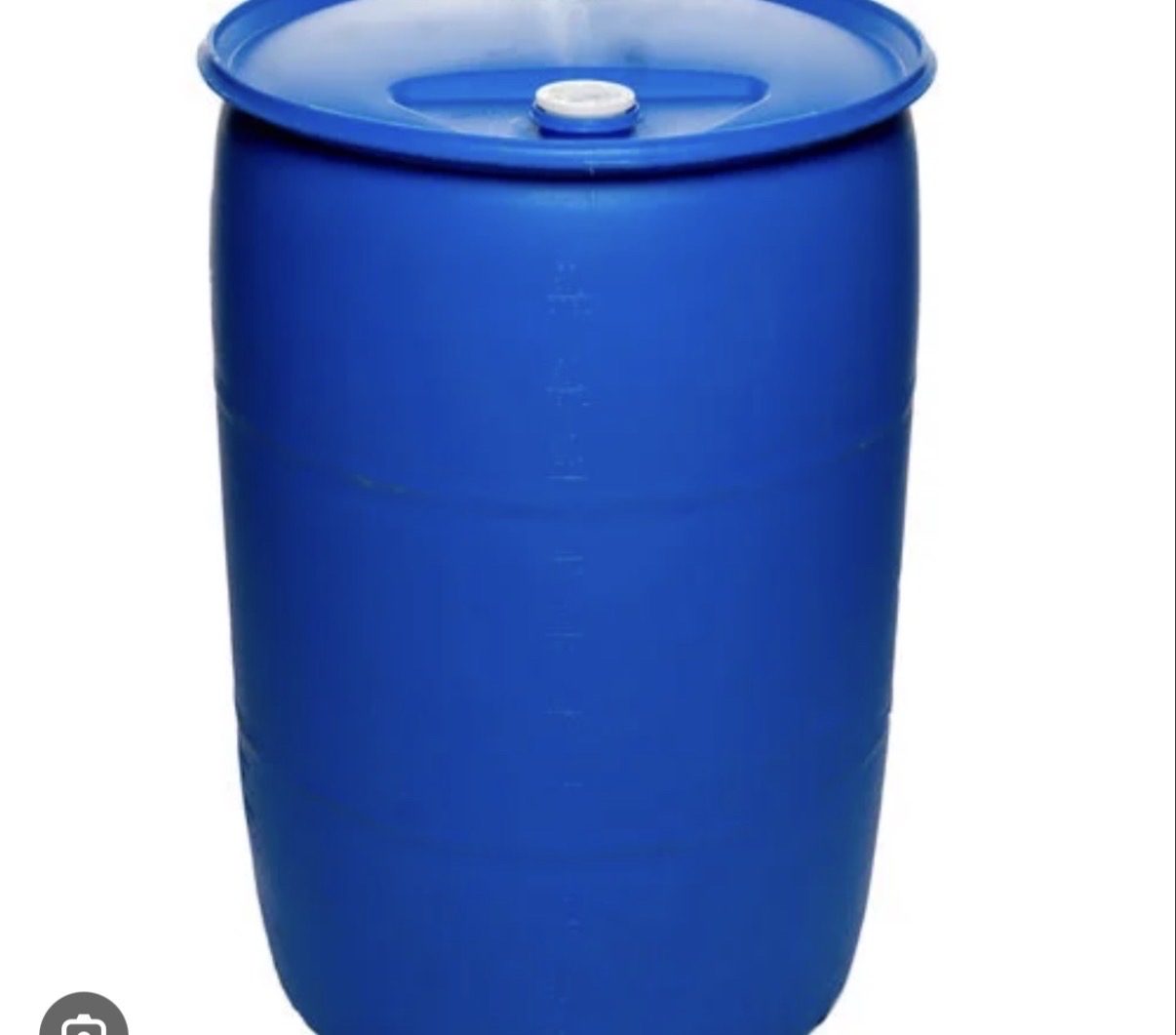
HDPE Drums

Chemical and liquid storage

HDPE Toys

Durable, lightweight children's toys

HDPE Fuel Tanks

Automotive industry

HDPE Crates & Pallets

 Industrial shipping and logistics


6. HDPE Biodegradable Uses and Products


Standard HDPE is not biodegradable. However, some biodegradable HDPE versions are now being made with additives.


Biodegradable HDPE Applications:


  • Compostable plastic bags
  • Agricultural mulch films
  • Packaging films with Oxo-degradable additives


Note: These products break down more quickly when they are in hot places, sunlight, or around air, but they can't completely compost at home.


7. HDPE Recycling Information


HDPE can be recycled completely and is one of the most commonly recycled plastics around the world.


Recycling Process:


  • Collection
  • Sorting
  • Washing
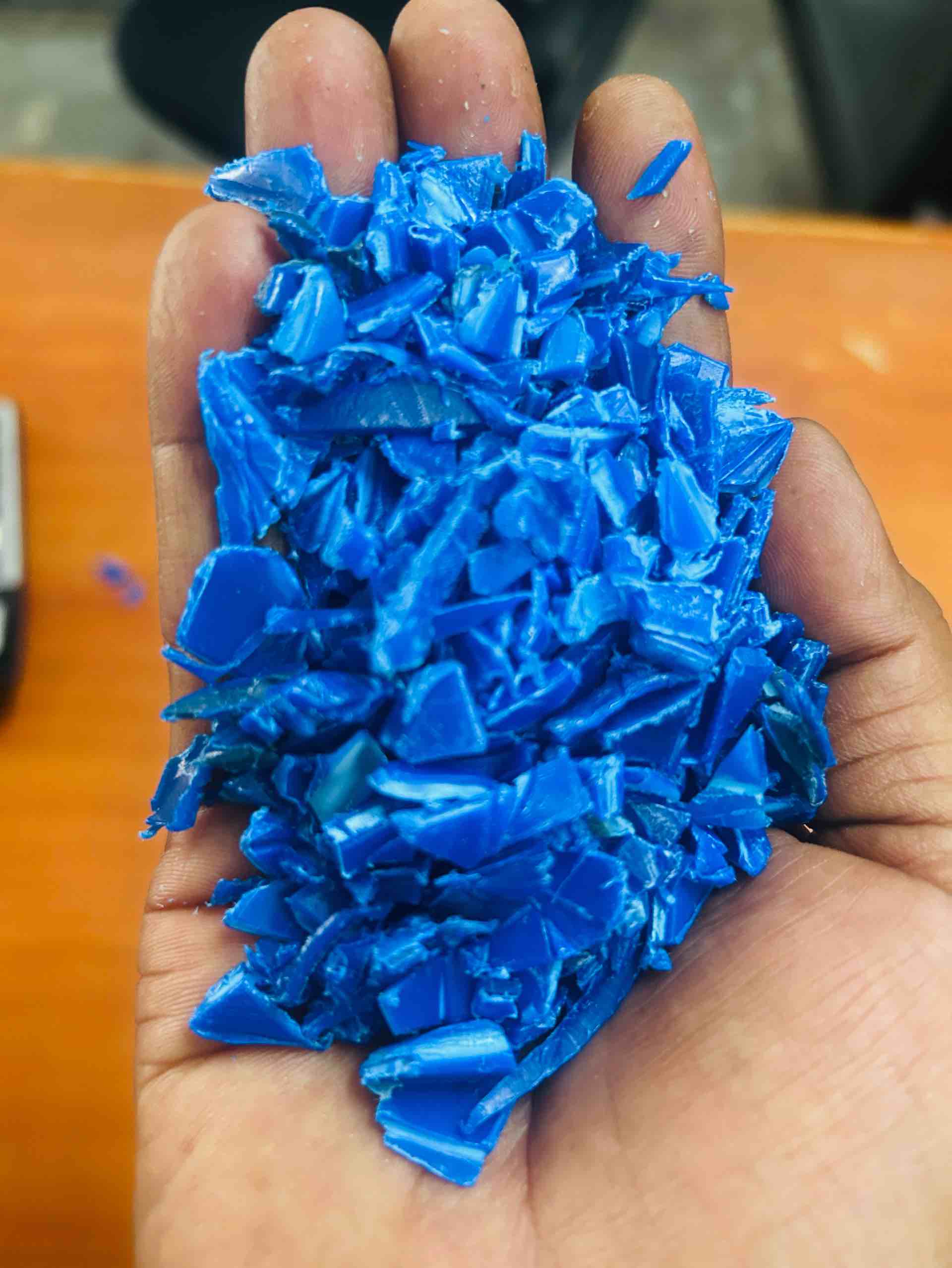
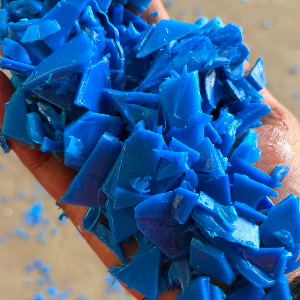
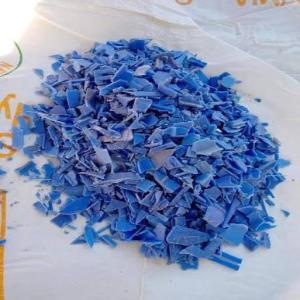
  • Shredding
  • Melting
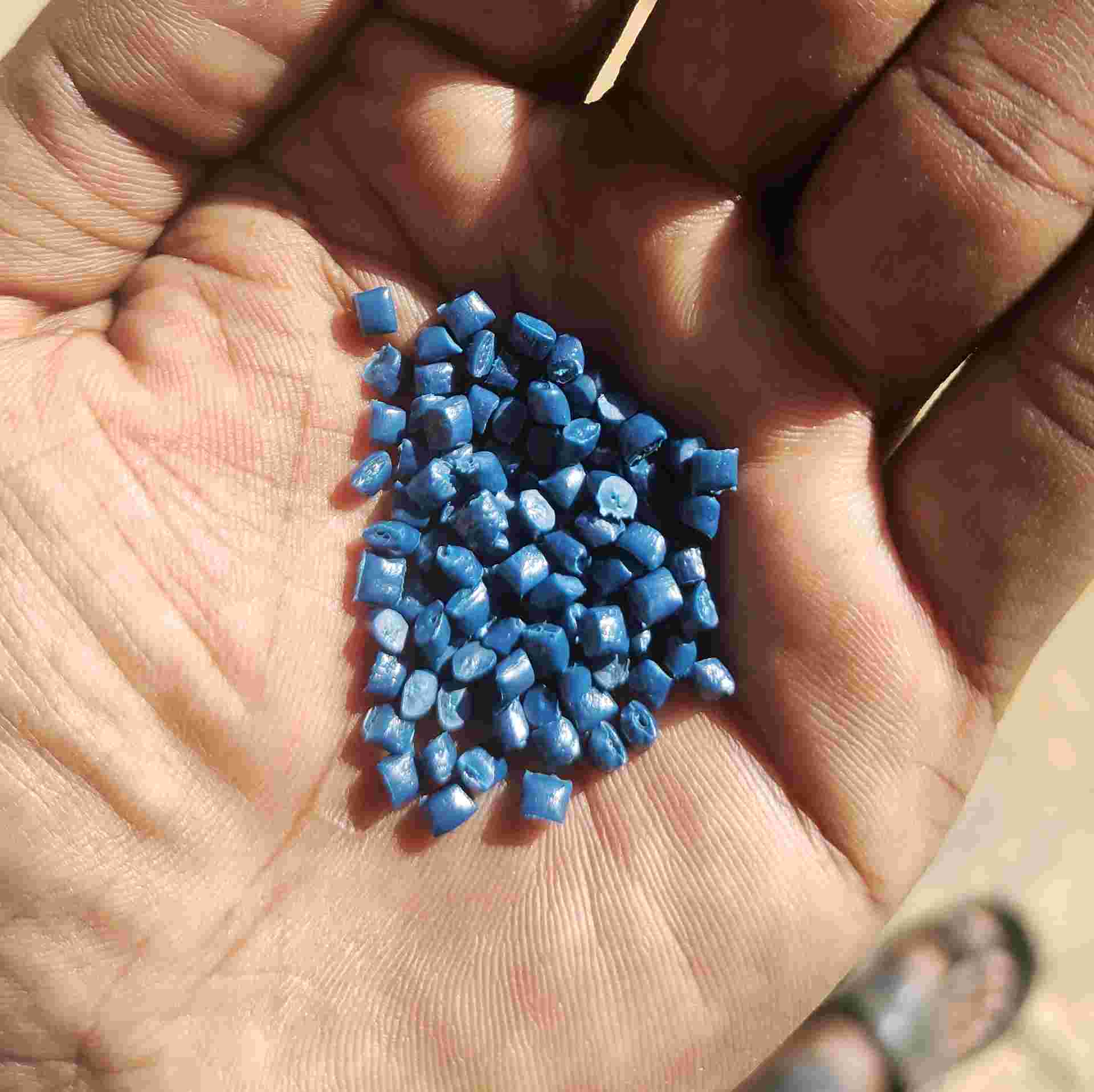
  • Reforming into recycled HDPE pellets


Recycled HDPE Products:


  • Plastic lumber
  • Park benches
  • Flower pots
  • Recycling bins
  • Low-grade packaging bottles


Recycling Code: โ™ด (Number 2 Plastic)


8. Find HDPE Buyers, Suppliers, Manufacturers, Exporters, Importers


Best Platforms to Find HDPE Suppliers and Buyers:


  • Plastic4trade (Leading B2B marketplace specialized in plastics)
  • IndiaMART
  • TradeIndia


Other Methods:


  • PlastIndia, K-Fair, Chinaplas Exhibitions
  • LinkedIn Networking
  • Local Industrial Directories


9. HDPE Raw Material Manufacturers (India and Overseas)


Major HDPE Raw Material Manufacturers - India:


  • Reliance Industries Limited
  • GAIL (India) Limited
  • ONGC Petro additions Limited (OPaL)
  • Indian Oil Corporation Limited (IOCL)


Major HDPE Raw Material Manufacturers - Overseas:


  • ExxonMobil (USA)
  • LyondellBasell (Netherlands)
  • SABIC (Saudi Arabia)
  • Chevron Phillips Chemical (USA)
  • Borealis AG (Austria)


10. HDPE Market Analysis


  • The market is valued at approximately $70 to $80 billion, and it's projected to grow by about 5.5% each year from 2024 through 2030.
  • Main regions that use a lot: Asia-Pacific (which includes China and India), North America, and the Middle East.


  • Growth Drivers:
  •  
    • Rising demand for safe and lightweight packaging
    • Expansion of infrastructure projects
    • Increasing agricultural advancements (irrigation pipes)


  • Challenges:
  •  
    • Environmental concerns about plastic waste
    • Price volatility of raw materials (crude oil derivatives)


11. HDPE Properties and Technical Data Sheet Report


Property

Typical Range

Density

0.93 to 0.97 g/cm³

Melt Flow Index (MFI)

0.01 to 20 g/10 min

Tensile Strength

20 to 37 MPa

Flexural Modulus

800 to 1500 MPa

Impact Strength

Excellent

Thermal Conductivity

0.5 W/m.K

Melting Temperature

130°C - 137°C

Chemical Resistance

Strong against acids, alcohols, bases


The MFI, or Melt Flow Index, is used to measure how easily HDPE can flow during the molding process.


12. Advantages & Disadvantages of HDPE Plastic


Advantages (Pros):


  • High strength-to-density ratio
  • Chemical and corrosion resistance
  • Lightweight and easy to transport
  • UV resistant (with additives)
  • Fully recyclable
  • Versatile across industries


Disadvantages (Cons):


  • Not naturally biodegradable
  • Some types can break easily when under a lot of stress if not made properly. 
  • Certain grades may wear away over time if they are not protected from sunlight.
  • Flammable under certain conditions


Conclusion


HDPE remains one of the most critical and widely used plastic materials today. From packaging to pipelines, its properties of strength, recyclability, and versatility continue to dominate industrial and consumer applications. With a strong growth outlook, sustainable recycling practices, and technological innovations like biodegradable HDPE, the future for HDPE products looks highly promising.

Frequently Asked Questions

Everything you need to know about HDPE

01

What is HDPE Plastic?

HDPE is a strong and lightweight thermoplastic material known for its durability, chemical resistance, and wide range of industrial and commercial applications.
02

What does HDPE stand for?

HDPE stands for High-Density Polyethylene.
03

What are the common uses of HDPE?

HDPE is commonly used in Water and gas pipes, Plastic bottles, Chemical containers, Industrial drums, Crates and pallets, Agricultural piping systems.
04

Why is HDPE widely used in piping systems?

HDPE pipes are preferred because they are corrosion-resistant, durable, lightweight, and capable of handling high pressure and harsh environmental conditions.
05

Is HDPE recyclable?

Yes, HDPE is fully recyclable and is commonly reprocessed into products such as plastic lumber, pipes, containers, bins, and outdoor furniture.
06

What are the advantages of HDPE?

Major advantages of HDPE include High strength-to-weight ratio, Excellent chemical resistance, Moisture resistance, Long service life, Lightweight handling, Good impact resistance.
07

What are the disadvantages of HDPE?

Some disadvantages of HDPE are Limited resistance to very high temperatures, Not naturally biodegradable, Can degrade under prolonged UV exposure without stabilizers, Difficult to bond with certain adhesives.
08

Is HDPE safe for food contact applications?

Yes, food-grade HDPE is widely used for milk bottles, food containers, and packaging because it is considered safe for food contact applications.
09

What distinguishes LDPE from HDPE?

HDPE is more rigid, stronger, and denser, while LDPE is softer, more flexible, and commonly used for films and lightweight packaging.
10

Which industries commonly use HDPE?

HDPE is widely used in industries such as packaging, construction, agriculture, automotive, healthcare, water management, and industrial manufacturing.
11

Where can I find HDPE Raw material, granules, pipe, scrap buyers, and suppliers?

You can find HDPE Raw material, granules, pipe, and scrap buyers, suppliers, manufacturers, traders, dealers, exporters, and importers on Plastic4trade, a leading B2B Marketplace.
add_circle Add Post